Kehwa: The Cup That Holds Kashmir Together
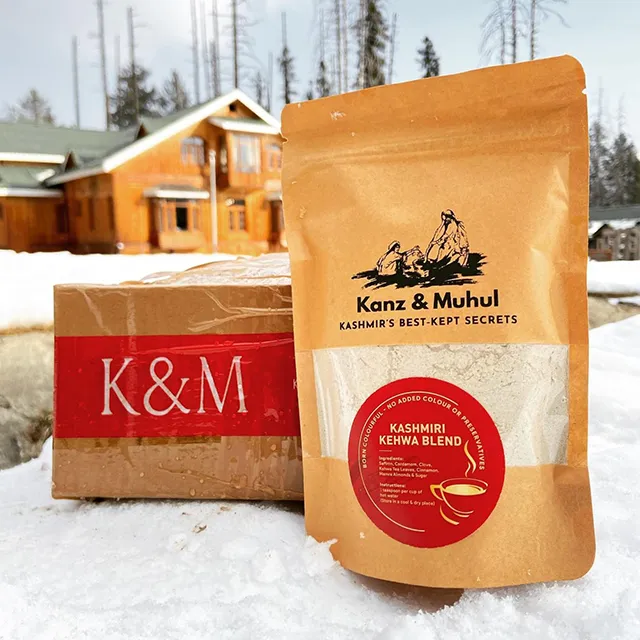
Pour water. Add cardamom. A cinnamon stick. Saffron threads, just a few - enough to blush the water gold. Let it steep. Now add green tea leaves and a handful of crushed almonds. Stir gently. Pour into a Kashmiri Khos cup, small and handleless, the kind every Kashmiri grandmother considers an heirloom. Hand it to a guest.
You have just performed one of Kashmir's oldest acts of hospitality.
Kehwa - derived from the Arabic word for a hot beverage - arrived in Kashmir through the ancient Silk Route, carried by traders who brought with them not just goods but the rituals surrounding them. Over centuries, the valley made it its own.
The Samovar at the Centre
The samovar - the ornate copper or brass kettle that keeps Kehwa warm for hours - is as much a piece of Kashmiri cultural identity as the Pashmina shawl or the chinar leaf.
In the old houses of Srinagar, the samovar sat at the centre of the sitting room, presiding over conversations, negotiations, reconciliations, and celebrations. Guests arriving in the morning received it with Katlam. Winter afternoons called for it with a few pieces of Sheermal. At weddings, it flowed continuously.
Why Saffron Matters
The saffron in Kehwa is not a garnish. It is a statement. Saffron - Kesar, or Kong in Kashmiri - is the valley's most precious produce, more expensive by weight than gold. Adding it to a cup of tea for a guest is an act of genuine generosity.
At Kanz & Muhul, our Kashmiri saffron is sourced directly from the fields of Pampore, where the crocus blooms for a brief two weeks each October. When you brew Kehwa with our saffron, you are not just making a drink - you are continuing a conversation between Kashmir and the world that has been going on for centuries.
Brew it slowly. Sip it without hurry. That is the only correct way.